
Nova Scotia Fake Driver’S License
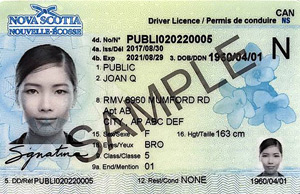
A Nova Scotia Fake Driver’S License
Premium Nova Scotia Fake Driver Licence
Price $150
Nova Scotia Fake Driver’s Licence:
Nova Scotia Fake drivers licence : Nova Scotia Registry of Motor Vehicles, Access Nova Scotia, Nova Scotia learner’s licence, Class 7 licence, Nova Scotia graduated driver licensing, Newly Licensed Driver, Nova Scotia demerit points, Nova Scotia Fake Dirver licence fees, exchange out-of-province driver’s licence
Nova Scotia fake driver licence
Secondary Keywords
Nova Scotia fake driver’s licence
Nova Scotia fake driver license
NS fake driver’s licence
NS fake driver licence
fake Nova Scotia driver’s licence
fake Nova Scotia driver licence
Nova Scotia counterfeit driver’s licence
Nova Scotia counterfeit driver licence
Nova Scotia fraudulent driver’s licence
fake ID Nova Scotia
Nova Scotia fake ID
counterfeit Nova Scotia ID
Nova Scotia driver’s licence fraud
NS driver’s licence fraud
Nova Scotia fake ID risks
Nova Scotia driver’s licence verification
Nova Scotia counterfeit identification
Nova Scotia fake identification document
Nova Scotia fake licence detection
Nova Scotia fake ID detection
Nova Scotia identity fraud
Nova Scotia driver’s licence fraud prevention
Long-Tail Keywords
Is a Nova Scotia fake driver’s licence illegal?
What happens if you use a fake ID in Nova Scotia?
What are the risks of having a fake Nova Scotia driver’s licence?
How to identify a fake Nova Scotia driver’s licence
How are Nova Scotia driver’s licences verified?
How does Nova Scotia fake ID detection work?
What happens if you are caught with a fake driver’s licence in Nova Scotia?
What to do if your Nova Scotia driver’s licence is lost or stolen
How to get a legitimate Nova Scotia driver’s licence
Nova Scotia counterfeit ID laws
Legal alternatives to a fake Nova Scotia ID
How businesses detect fake Nova Scotia IDs
Nova Scotia driver’s licence identity verification
Nova Scotia driver’s licence fraud prevention
What is the difference between a fake ID and a novelty ID in Nova Scotia?
SEO Title
Nova Scotia Fake Driver Licence: Laws, Risks, Detection & Legal Alternatives
Meta Description
Learn about Nova Scotia fake driver licences, legal risks, fraud detection, online scams, and legitimate alternatives for obtaining or replacing a Nova Scotia driver licence.
URL Slug
/nova-scotia-fake-driver-licence/
H1
Nova Scotia Fake Driver Licence: Laws, Risks, Detection and Legal Alternatives
Recommended H2 Structure
H2: What Is a Nova Scotia Driver Licence?
Explain the purpose of a Nova Scotia driver licence and its role as an official form of identification.
H2: What Is a Nova Scotia Fake Driver Licence?
Define counterfeit, altered, and fraudulently obtained identification without explaining how to create or acquire it.
H2: Why Do People Search for Fake Nova Scotia Driver Licences?
Discuss common motivations and the risks associated with seeking counterfeit identification.
H2: Are Fake Driver Licences Illegal in Nova Scotia?
Cover the legal issues surrounding possession, presentation, alteration, and fraudulent use of identification.
H2: Risks of Using a Fake Nova Scotia Driver Licence
Discuss potential legal, financial, identity-theft, employment, and other consequences.
H2: How Fake Nova Scotia Driver Licences Can Be Detected
Focus on legitimate verification and fraud-prevention practices used by businesses and authorities.
H2: Online Fake ID Scams in Nova Scotia
Explain how fraudulent sellers can take payments, misuse personal information, or provide documents that cannot legitimately be used.
H2: Fake Driver Licence vs. Novelty ID
Explain the difference between novelty products and documents intended to impersonate official identification.
H2: What to Do If Your Nova Scotia Driver Licence Is Lost or Stolen
Explain legitimate replacement options instead of seeking counterfeit identification.
H2: How to Get a Legitimate Nova Scotia Driver Licence
Cover the lawful process for applying for, renewing, replacing, or obtaining a Nova Scotia driver licence.
H2: How Businesses Can Detect Suspicious Nova Scotia Identification
Discuss responsible identity-verification and fraud-prevention practices without explaining how to bypass them.
H2: Frequently Asked Questions About Nova Scotia Fake Driver Licences
FAQ Keyword Targets
Is it illegal to have a fake driver licence in Nova Scotia?
What happens if you are caught with a fake ID in Nova Scotia?
Can a fake Nova Scotia driver licence be detected?
How do businesses verify Nova Scotia driver licences?
What are the penalties for using fraudulent identification?
What should I do if my Nova Scotia driver licence is lost?
Can I legally use a novelty Nova Scotia ID?
How can I obtain a legitimate Nova Scotia driver licence?
How can I report suspected identity or licence fraud in Nova Scotia?
What is the difference between a fake ID and a novelty ID?
Suggested Entity / Authority References
Service Nova Scotia
Nova Scotia Registry of Motor Vehicles
Government of Nova Scotia
Nova Scotia driver licensing
Nova Scotia identity verification
Canadian identity-fraud prevention
Internal Linking Opportunities
Fake ID Laws in Canada
Nova Scotia Identity Theft and Fraud
How to Detect Counterfeit Identification
Canadian Driver Licence Verification
What to Do After Losing Your Driver Licence
New Brunswick Fake Driver Licence
Newfoundland and Labrador Fake Driver Licence
Prince Edward Island Fake Driver Licence
Ontario Fake Driver Licence
Understanding Your Nova Scotia Driver’s Licence
A Nova Scotia driver’s licence comes from the Registry of Motor Vehicles, part of Service Nova Scotia, with most in-person transactions handled at Access Nova Scotia offices. The province runs a graduated licensing programme with a distinctive middle stage: after you pass your road test, you don’t get a full licence — you become a Newly Licensed Driver for a minimum of two years, with conditions that persist well past the test.
There’s also a legislative change worth flagging before anything else. The Traffic Safety Act replaced the Motor Vehicle Act on 19 October 2026. The supporting regulations — the Driver Licensing Requirements Regulations (N.S. Reg. 236/2026), the Offences, Penalties and Mandatory Suspension Periods Regulations (N.S. Reg. 223/2026), and the Interpretation Regulations (N.S. Reg. 221/2026) — came with it. Anything you read predating that change may describe a superseded framework.
This guide covers the whole licence: the classes, learner stage, the Newly Licensed Driver phase, fees, renewal, exchanging an out-of-province licence, and how demerit points work.
The Classes of Nova Scotia Licence
Nova Scotia licenses drivers according to the type of vehicle they’re qualified to operate, and several classes exist:
| Class | Covers |
|---|---|
| 5 | The most common — cars, pickup trucks, SUVs, and vans with a seating capacity under 24 |
| 7 | Learner’s licence, for those learning to drive Class 5 vehicles |
| 5N | Newly-licensed driver’s licence |
| 6 | Motorcycles and motor-driven cycles, plus Class 8 vehicles |
| 6N | Newly-licensed motorcycle driver |
| LM | Learner’s motorcycle licence |
| 1 | Semi-trailers and tractor-trailer combinations |
| 2 | Large buses with more than 24 passengers |
| 3 | Vehicles in Class 3, and heavier trucks |
| 4 | Ambulances and small buses with a seating capacity under 24 |
| 8 | Farm tractors |
A few class limits are worth knowing precisely. A Class 5 licence doesn’t permit operating vehicles with air brakes, or motorcycles and motor-driven cycles, without the appropriate endorsements — and it doesn’t permit type 1, 2, 3, or 4 vehicles except as a Learner. A Class 6 licence permits motorcycles and motor-driven cycles plus Class 8 vehicles, but not type 1 through 5 vehicles except as a Learner, and it may be restricted to motor-driven cycles (mopeds) and motorcycles of 100 c.c.
Getting Your Learner’s Licence (Class 7)
Anyone living in Nova Scotia who is 16 or older can apply for a learner’s licence. It’s the first stage of the graduated programme and it’s valid for 2 years.
The knowledge test is the entry exam, and there’s an important sequencing point: you don’t get your learner’s licence as soon as you pass the knowledge test, and you can’t drive right away. You must visit the Registry of Motor Vehicles or Access Nova Scotia to complete the additional requirements. If you take the knowledge test online, you still need to make that visit afterward — and you don’t complete any of the additional requirements before the test.
The additional requirements to get a Class 7 licence:
- Complete and pass a vision test
- Provide required identification documents showing your legal name and date of birth
- Provide written consent from your parent or guardian if you’re 16 or 17
- Pay the learner’s licence fee
- Have your photo taken
The handbook also opens the learner stage with a set of self-assessment questions aimed at readiness rather than rules — whether you control your temper, follow rules consistently, stay focused, and are ready to learn the skills and attitude of a safe driver. It’s an unusual framing, and it reflects a genuine emphasis in the Nova Scotia programme on attitude alongside technique.
The Graduated Driver Licence Programme
Nova Scotia’s graduated system runs through defined stages with minimum holding periods.
The Learner phase. As noted, the Class 7 licence is valid for two years.
The practice period. The minimum practice period is 12 months. It can be reduced to a minimum of 9 months if the driver completes a recognised driver education or training programme. That’s a genuine three-month saving for completing training.
One consequence deserves emphasis: suspensions will delay graduation to the newly licensed driver stage by a period of time equal to the minimum practice period. So a suspension doesn’t merely pause your progress — it effectively resets the clock for a period matching the minimum.
The road test. Once you pass, you become a Newly Licensed Driver rather than a fully licensed one.
The Newly Licensed Driver Phase (Class 5N)
This is the stage that catches out-of-province drivers by surprise, because Nova Scotians spend a minimum of two years in it. The operating conditions are:
- Zero blood alcohol level — no allowance whatsoever
- Only one front-seat passenger, with rear-seat passengers limited to the number of available seat belts
- No upgrade beyond a Class 5 licence — you cannot progress to a commercial class while newly licensed
- No driving between midnight and 5:00 a.m., unless exempted for employment purposes, or the newly licensed driver is accompanied by a supervising driver
The curfew exemption structure is worth reading carefully. The exceptions are narrow — employment, or a supervising driver beside you — rather than general.
The passenger rule is also stricter than many jurisdictions: one front-seat passenger is an absolute limit, while the rear limit scales with available seat belts.
One practical note on upgrading: because a newly licensed driver cannot upgrade to a higher class, anyone planning to pursue a commercial licence in Nova Scotia faces the two-year newly licensed period first.
Licensing Upgrades to Commercial Classes
For drivers who later pursue commercial classes, the requirements from the province’s upgrade guidance are:
Class 1 — age 19, one year’s experience holding at least a Class 5 licence, successful written test for a Class 1 vehicle, satisfactory medical and optical reports on application and periodically thereafter, and successful demonstration of driving ability in a semi-trailer or tractor-trailer combination.
Class 2 — age 19, one year’s experience with at least a Class 5 licence, successful written test for a Class 2 vehicle, satisfactory medical and optical reports on application and periodically thereafter, and demonstration of driving ability in a bus with a seating capacity exceeding 24 passengers.
Under the current regulations, commercial classes have formal eligibility requirements. Class 3 requires an applicant to be at least 18. Class 1 and Class 2 each require an applicant to be at least 19 and to hold a valid licence in one of a listed set of classes, along with passing a rules test, a pre-trip inspection test, and a road test in the relevant vehicle type. There’s also a route in for applicants who hold an equivalent licence from another Canadian jurisdiction or U.S. state, or who held one within the last 5 years.
And the standing rule applies throughout: newly licensed drivers cannot upgrade to a higher class while they hold newly licensed status.
Road Test and Test Fees
Road tests are booked through Access Nova Scotia at any location offering driver examination and testing.
| Test | Duration | Cost (HST included) |
|---|---|---|
| Class 5 — cars, pickup trucks, SUVs, and vans up to 14,000 kg | 30 minutes | $52.54 |
| Class 5 with Condition 15, for heavy trailers over 4,500 kg | 60 minutes | $52.54 |
| Class 1 — semi-trailers and tractor-trailer combinations | 90 minutes | $52.54 |
| Class 2 — buses with more than 24 passengers, excluding school buses | 90 minutes | $52.54 |
| School Bus — school buses or school-purpose buses | 90 minutes | $52.54 |
| Class 4 — ambulances and small buses under 24 passengers | 60 minutes | $52.54 |
| Motorcycle learner’s balance test (Class LM) | 30 minutes | $52.54 |
| Advanced motorcycle test (Class 6), to exit the learner phase | 30 minutes | $52.54 |
| Restore a licence, if suspended or revoked | 60 or 90 minutes | $52.54 |
| Interview, if the Registry requires one | 90 minutes | $68.10 |
The flat $52.54 test fee makes the Class 5 test relatively inexpensive, and the Class 5 with Condition 15 option is worth noting for anyone who needs to tow a heavy trailer — it’s a longer test at the same fee.
What a Nova Scotia Licence Costs
| Class | Fee |
|---|---|
| 7 — Learner’s licence (initial) | $25.10 |
| 5N — Newly-licensed driver’s licence | $80.15 |
| 5 — the most common | $80.15 |
| LM — Learner’s motorcycle licence (initial) | Free |
A critical caveat attaches to the learner and motorcycle learner licences: to renew them, all tests must be taken again. A lapsed Class 7 isn’t simply renewed with a fee — you sit the tests anew. That’s a strong argument for not letting a learner’s licence lapse.
Renewing Your Nova Scotia Licence
A Nova Scotia driver’s licence is valid for 5 years, and it expires on your birthday. Because issuance rarely lands exactly five years before a birthday, the term is sometimes slightly less than five years — the province’s own example: a birthday of 23 May with a licence issued in July 2026 produces an expiry of 23 May 2031.
The renewal window is the last 6 months before expiry — and you cannot renew before it. That’s an explicit restriction, not a default. If you apply earlier, you’ll be turned away.
You can renew online for a Class 5, Class 6, or Class 8 licence. There’s no need to renew in person. Two practical points:
- Registry of Motor Vehicles uses the photo and signature it already has on file — you don’t need a new photo before renewing online. If the Registry needs you to have your photo retaken, it contacts you after you renew.
- After renewing, you must keep the renewal confirmation and your old licence with you when you drive, until your new card arrives.
The Registry sends a renewal notice before the expiry date, which makes keeping your address current with the Registry a practical necessity — the notice goes to the address on file.
Exchanging an Out-of-Province Licence
This is one of Nova Scotia’s more generous arrangements, but the deadline is firm.
You may drive for up to 180 days on a valid driver’s licence from elsewhere. After that, you need to exchange it for a Nova Scotia licence to continue driving legally. You have 180 days from the day you become a resident to complete the exchange. A resident is someone who makes their home and lives in Nova Scotia in day-to-day life — a tourist or visitor is not a resident. During the 180 days, you may drive only the classes of vehicle your licence allows, and if your old licence expires, you may not drive on it in Nova Scotia.
Note the separate 90-day rule that applies to vehicle registration and non-resident vehicle use, which is a different clock from the licence exchange.
Exchanging within Canada or the United States. You can exchange a current valid licence for a Nova Scotia licence of the same class, usually with no testing required. To do so you need to:
- Be at least 16 years old
- Hold a valid licence, not suspended or revoked, from another Canadian province or territory or a US state
- Disclose any medical conditions affecting your ability to drive safely
- Surrender your out-of-province licence at the time of exchange
- Pay the fee for issuing a Nova Scotia licence
Expired licences. If your Canadian or US licence expired less than five years ago, you can still exchange it without additional testing. If it expired more than five years ago, you must complete full testing — vision, knowledge, and road tests.
Learner’s licences. If your current licence is a learner’s licence, the process differs, and depending on your current licence class or how long you’ve held it, you may need to enter the Graduated Driver Licence programme. That’s the key variable for younger drivers arriving from elsewhere.
Exchanging from outside Canada and the US. The province maintains a list of recognised countries and classes:
- If you hold a licence from a listed country and class, you need only pass a vision test to exchange for an equivalent Nova Scotia licence, and you surrender your out-of-country licence at the exchange
- If your licence is not from a listed country or class, you must take full testing — vision, knowledge, and road tests
There are also specific pathways for people studying in Nova Scotia and for members of the Canadian Armed Forces, plus provisions for translations where documents aren’t in English or French.
Nova Scotia’s Demerit Point System
Demerit points go on your record if you’re convicted of certain offences, and the system has features that make it operate differently from many jurisdictions.
Points stay on your record for 2 years from the date of conviction, then are removed.
Two important scope rules. Points are assigned even if you did not hold a licence at the time of the offence — a record is created and notice of conviction is sent to the proper province. And convictions from other provinces count: if you’re convicted elsewhere and that province sends the conviction to the Registry, it’s added to your Nova Scotia record with demerit points as if the same offence had happened in Nova Scotia.
The thresholds depend on your licence stage, and this is where the graduated system does its work:
| Threshold | Who it applies to |
|---|---|
| 10 points | A fully licensed driver holding or having held a licence of any class — or someone who has never been issued a licence in the province |
| 6 points | A holder or former holder of a Class 5N or Class 6N licence |
| 4 points | A holder or former holder of a Class 7 or Class 8 licence |
| 3 points | A reinstated licence of any class, where points accumulate in the 12 months immediately after reinstatement following a suspension for meeting the demerit threshold or driving contrary to a conditional licence under section 30 |
Read together, the progression is steep. A learner is suspended at four points, a newly licensed driver at six, and a fully licensed driver at ten. And the three-point rule for a reinstated licence is the harshest trigger in the table — one minor conviction in the first year back can be enough.
The consequences at each level, from the province’s Driver’s Handbook and Registry guidance:
- 4 points for a leaner or newly licensed driver triggers an interview
- 6 points for a fully licensed driver triggers a driver improvement programme or meeting
- 10 points for a fully licensed driver triggers a 6-month driving suspension
An important exception on points removal. Normally points clear two years after conviction. But where the licence or the privilege of obtaining one has been suspended for six months, upon restoration the points that suspended the driver are erased — while the convictions remain on the record for five years. So a points suspension cleans your point balance but not your history.
After a points-based suspension, you’re placed on a one-year probationary licence, which brings the 3-point threshold into play.
Suspensions, Restoration and Financial Responsibility
Nova Scotia’s suspension powers are broad, and several operate without conviction.
Immediate suspension without a hearing. The Registrar may immediately suspend a licence or the privilege of obtaining one, without a hearing, where satisfied the person cannot safely operate a motor vehicle based on a failed examination of driving ability, or on a medical opinion or medical examination results.
Suspension may also be imposed for:
- Lending your licence
- Using another person’s licence
- Failing to obey restrictions imposed on your licence
- Taking a driver’s examination in order to obtain a licence for another person
The Registrar may also revoke any driver’s licence whenever the Registrar deems it expedient.
Careless and imprudent driving carries a judicial route: a judge or magistrate may order suspension of a driver’s licence, or the privilege of holding one, for any period up to one year following conviction.
Restoration fees. To restore a suspended licence, the driver must submit a Notice of Application for Restoration or Reinstatement, accompanied by a cheque or money order for $99.60 — or $124.60 if the licence was revoked for an alcohol-related offence. Payment can also be made online through the province’s privilege reinstatement fee service.
Restoring a licence as a test. Booking a restoration test carries the same $52.54 fee as other road tests and runs 60 or 90 minutes. Note that these are separate charges from the restoration application fee.
Financial responsibility operates as its own track, and careless driving convictions can trigger it independently of the point total.
Practical Tips for Nova Scotia Drivers
- Don’t let a Class 7 lapse. Renewing a learner’s licence requires retaking all tests, so time it deliberately.
- Take driver education if you can. It cuts the minimum practice period from 12 months to 9.
- Plan for two years as a Newly Licensed Driver. The zero-alcohol rule, the midnight-to-5 a.m. curfew, and the one-front-passenger limit all apply throughout.
- Renew only in the final 6 months. The Registry won’t accept an earlier renewal.
- Keep your confirmation with you. After online renewal, carry the confirmation and your old licence while driving.
- Watch your stage threshold. Four points suspends a learner, six a newly licensed driver, ten a full licence holder.
- Know the reinstated-licence trap. Three points in the first 12 months after reinstatement can suspend you again.
- Exchange within 180 days. And expect the graduated programme if you arrive holding a learner’s licence.
Frequently Asked Questions
How long is a Nova Scotia driver’s licence valid? Five years, expiring on your birthday. Because of that, a licence is sometimes valid for slightly less than five years.
When can I renew my Nova Scotia licence? Only in the last 6 months before it expires — you cannot renew earlier. Class 5, 6, and 8 licences can be renewed online without a new photo.
How much does a Nova Scotia licence cost? A Class 7 learner’s licence is $25.10, and a Class 5 or 5N licence is $80.15. A learner’s motorcycle licence is free initially. Road tests cost $52.54 each, and an interview is $68.10.
How many demerit points suspend a Nova Scotia licence? It depends on your stage. Learners and former learners are suspended at 4 points, Newly Licensed Drivers at 6, and fully licensed drivers at 10. A reinstated licence can be suspended at 3 points in the first 12 months.
What are the Newly Licensed Driver restrictions in Nova Scotia? Zero blood alcohol, only one front-seat passenger with rear passengers limited to available seat belts, no upgrade beyond Class 5, and no driving between midnight and 5 a.m. except for employment or with a supervising driver.
How long do I have to exchange an out-of-province licence? 180 days from the day you become a Nova Scotia resident. A valid Canadian or US licence usually exchanges for the same class with no testing.
What happens if my out-of-province licence has been expired a long time? If it expired less than five years ago, you can exchange it without extra testing. More than five years, and you need full testing — vision, knowledge, and road tests.