
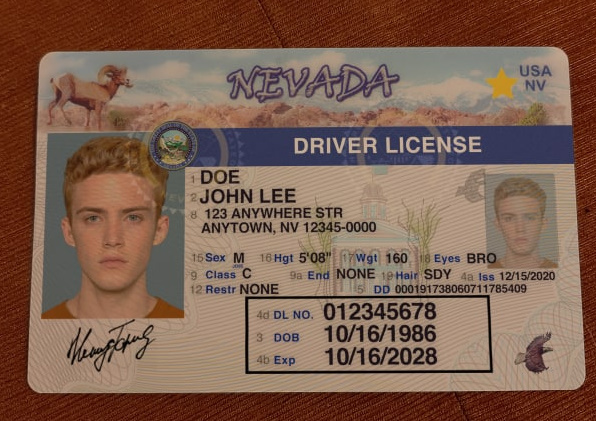
Nevada Fake Drivers License & Nevada Fake ID
Nevada Fake Drivers License & Nevada Fake ID
Premium Nevada Fake Drivers License & Nevada Fake ID
$100.00
Information for Nevada Fake ID
Nevada fake driver’s license
Secondary Keywords
- Nevada fake driver’s license
- fake Nevada driver’s license
- Nevada counterfeit driver’s license
- Nevada fraudulent driver’s license
- fake ID Nevada
- Nevada fake ID
- counterfeit Nevada ID
- Nevada driver’s license fraud
- Nevada fake ID risks
- Nevada driver’s license verification
- Nevada counterfeit identification
- Nevada fake identification document
- Nevada fake license detection
- Nevada driver’s license fraud prevention
Long-Tail
- Is a Nevada fake driver’s license illegal
- What happens if you use a fake ID in Nevada
- How to identify a fake Nevada driver’s license
- Nevada fake driver’s license risks
- How are Nevada driver’s licenses verified
- Nevada fake ID detection
- What to do if your Nevada driver’s license is lost or stolen
- How to get a legitimate Nevada driver’s license
- Nevada counterfeit ID laws
- Legal alternatives to a Nevada fake ID
- How businesses detect fake Nevada IDs
- Nevada driver’s license identity verification
- What happens if you are caught with a fake license in Nevada
Nevada Fake Driver’s License: Laws, Risks, Detection & Legal Alternatives
Learn about Nevada fake driver’s licenses, and legitimate alternatives for obtaining or replacing a Nevada driver’s license.
H1
Nevada Fake Driver’s License: Legal Alternatives
Recommended H2 Structure
- What Is a Nevada Driver’s License?
- What Is a Nevada Fake Driver’s License?
- Why Do People Search for Fake Nevada Driver’s Licenses?
- Are Fake Driver’s Licenses Illegal in Nevada?
- Risks of Using a Fake Nevada Driver’s License
- How Fake Nevada Driver’s Licenses Can Be Detected
- Online Fake ID Scams and Privacy Risks
- Fake Driver’s License vs. Novelty ID
- What to Do If Your Nevada Driver’s License Is Lost or Stolen
- How to Obtain a Legitimate Nevada Driver’s License
- What Businesses Should Know About Fake IDs
- Frequently Asked Questions
- Conclusion
FAQ SEO Targets
- Is a fake driver’s license illegal in Nevada?
- What happens if you are caught with a fake ID in Nevada?
- How can a Nevada driver’s license be verified?
- How do businesses detect fake Nevada IDs?
- Can a fake Nevada license be used as proof of identity?
- What should I do if my Nevada driver’s license is lost?
- How can I obtain a legitimate Nevada driver’s license?
- Are novelty Nevada driver’s licenses legal?
- Are online Nevada fake-ID sellers legitimate?
- Can a fake Nevada license create insurance problems?
Suggested Entities
- Nevada Department of Motor Vehicles
- Nevada DMV
- Nevada driver licensing
- Nevada identification documents
- Nevada identity verification
Internal Linking Opportunities
- Fake ID Laws in the United States
- How to Identify a Counterfeit ID
- Identity Theft and Fake Identification
- Lost or Stolen Driver’s License: What to Do
- California Fake Driver’s License: Risks and Legal Alternatives
- Arizona Fake Driver’s License: Laws and Risks
- Utah Fake Driver’s License: Detection and Legal Alternatives
- Oregon Fake Driver’s License: Legal Risks and Alternatives
Nevada Driver’s License: The Complete 2026 Guide
Nevada Fake driver’s license Secondary keywords: Nevada DMV, Nevada REAL ID, Nevada Fake drivers license renewal, Nevada demerit point system, Nevada instruction permit, Nevada Driver Authorization Card, Nevada driver’s license fees, transfer out-of-state license to Nevada
Understanding Your Nevada Driver’s License
A Nevada driver’s license comes from the Nevada Department of Motor Vehicles, and the state has built one of the more convenient renewal systems in the country — most residents never visit an office again after their first card. The Nevada DMV runs a full online portal through MyDMV, and it reports that more than three-quarters of residents renew remotely.
Nevada also structures its credentials differently from most states. Instead of a single license type with optional federal compliance, the state issues several distinct documents: the standard eight-year non-commercial license, a limited-term or four-year version, and a Driver Authorization Card for residents who can’t document lawful status. Separately, Nevada tracks driving behavior on a demerit point system with a firm twelve-point ceiling, and offers a genuine point-reduction path that most states don’t.
This guide walks through all of it — the card types, what each costs, teen licensing, renewal in three forms, transferring an out-of-state license, and how points add up to a suspension.
The Nevada Card Options
Nevada issues several credentials, and picking the right one depends on your status and how long you plan to stay.
The standard non-commercial license is valid for eight years and is the credential most residents hold.
The limited-term or four-year license applies to drivers whose lawful presence or medical circumstances mean a shorter term. It costs less because it lasts less.
The Driver Authorization Card, or DAC, is Nevada’s credential for residents who cannot prove lawful status in the United States. It’s a four-year document with its own fee and its own document rules, and notably, several documents Nevada rejects for a standard license are acceptable for a DAC.
The instruction permit is the learner credential, and Nevada prices it the same as a DAC.
One detail worth knowing about the DAC: it must be renewed in person at a DMV office. Instruction permits and commercial licenses share that requirement, so the convenient online renewal route isn’t universal.
Standard Card vs. Nevada REAL ID
Nevada offers REAL ID as an upgrade rather than a default, and the state leaves the choice to you.
A standard Nevada license works for driving and general identification but is marked not for REAL Nevada Fake ID purposes. Since May 7, 2025, it cannot be used to board a domestic flight or enter secure federal facilities.
A Nevada REAL ID carries a gold star in the upper right corner and satisfies the federal standard. To upgrade, you must visit a DMV office in person — but here’s the good news: it’s a one-time requirement. Once your documents are on file, the credential stays REAL Nevada Fake ID compliant through renewal, and you never have to present them again.
The REAL ID document set includes:
- One proof of identity — a U.S. passport or passport card, original or certified U.S. birth certificate, Consular Report of Birth Abroad (FS-240), Certificate of Naturalization (N-550), Certificate of Citizenship (N-560), Permanent Resident Card (I-551), a foreign passport with an I-94 stamped “Processed for I-551” or a valid U.S. visa and I-94, or an Employment Authorization Card (I-766)
- Proof of all name changes, if applicable — a marriage certificate, divorce decree, or court order
- One proof of Social Security number — a Social Security card, W-2, IRS Form 1099, or printed pay stub
- Two proofs of Nevada residential address — original or certified copies dated within 60 days, such as a rent or lease receipt, lease agreement, utility bill, bank or credit card statement, employment check stub, court document, bill or payment request, or a Nevada school record or student ID showing the address
All documents must be valid originals or certified copies, and a REAL ID must display your physical address. If any document isn’t in English, you’ll need a DMV-approved translation.
Nevada publishes a specific list of documents it will not accept for identity purposes: hospital-issued birth certificates, U.S. driver’s licenses or ID cards that don’t meet REAL ID standards, military ID cards, foreign driver’s licenses or ID cards, foreign birth certificates, border crossing cards, and consular identification cards. Several of these are fine for a Driver Authorization Card, which is one of the practical differences between the two credentials.
If your spouse has passed away and you want to revert to a previous middle and last name, you’ll need both the marriage certificate and the death certificate, with matching names on both.
What a Nevada Driver’s License Costs
| Transaction | Fee |
|---|---|
| Original 8-year non-commercial license | $41.50 |
| Original 4-year DAC or limited-term license | $22.50 |
| Instruction permit | $22.50 |
| Completion of instruction permit | $22.50 |
| Renewal, 8-year | $41.50 |
| Renewal, 4-year DAC or limited-term | $22.50 |
| Duplicate license or DAC | $17.50 |
| Out-of-state transfer with a motorcycle class or endorsement | $46.50 |
Additional transactions carry their own charges:
| Transaction | Fee |
|---|---|
| Initial knowledge and skills test | $25 |
| Each retest | $10 |
| Change of address only | $3.50 |
| Change of information other than address | $8.50 |
| Add a motorcycle class or endorsement E or F | $8.50, plus any testing fee |
| Late renewal in person, expired over 30 days | $10, in addition to other fees |
Reinstatement is where costs jump. Clearing a suspension or revocation for an alcohol or controlled substance offense runs $120, plus a $35 victim impact fee for the same category. Reinstatement for any other offense is $75.
Renewing a Nevada Driver’s License
Nevada gives you three routes, and the online one is genuinely fast: you print a temporary license that’s valid immediately, and the permanent card arrives by mail within seven to ten business days. There’s no appointment, no line, and — importantly — no extra charge. The fees are the same as renewing in person.
Online renewal eligibility requires that you:
- Are a current Nevada resident
- Are between 16 and 70 years of age
- Have a license expired no more than 364 days
- Hold a license that is not suspended, revoked, or canceled
- Have not changed your name since your last license was issued
- Meet minimum vision standards, which you self-certify
- Have no medical conditions affecting your driving ability
You are not eligible if you are 71 or older, hold an instruction permit, commercial license, or Driver Authorization Card, have a license term of less than four years because you’re a non-U.S. citizen, a registered sex offender, or have certain medical conditions, have three or more moving violations in the past four years, or are required to complete any form of testing.
Mail renewal takes four to six weeks and accepts payment by check, money order, or credit card. In-person renewal runs seven to fourteen business days, requires an appointment, and is the route that lets you update your photo or upgrade to REAL Nevada Fake ID.
Renewing late costs more than the base fee. A license expired more than 30 days triggers a $10 late renewal charge on top of the standard renewal fee.
New Residents: Transferring an Out-of-State License
Nevada requires you to obtain a Nevada license within 30 days of becoming a resident, and your vehicle registration follows the same deadline.
Residency here is behavioral rather than a form you file. You’re considered a Nevada resident if you declare Nevada as your legal residence, live and work in the state or run a business here, use Nevada as the home state for your vehicles, or claim Nevada residency to access state-specific benefits. You must live at a Nevada street address — PO boxes don’t qualify.
Not everyone has to transfer. Active-duty military members, their spouses and dependents are exempt, as are people living in Nevada temporarily and out-of-state students. Visitors cannot obtain a Nevada license at all, and foreign nationals may qualify for a license or a DAC depending on their immigration status.
For a typical transfer, you’ll bring:
- One proof of identity
- Proof of all name changes, if applicable
- One proof of Social Security number
- Two proofs of Nevada residential address
- Your existing state-issued license, permit, or Nevada Fake ID card
- DMV-approved translations for any non-English documents
The knowledge test is required in specific situations, which is where Nevada differs from states that waive testing for everyone with a valid out-of-state license:
- Your license expired or was surrendered more than one year ago — and a skills test applies if more than four years
- You have three or more moving violations in the past four years
- Your license was suspended, revoked, canceled, or disqualified in the past four years
- You have a DUI conviction within the past seven years
- Your license carries restrictions requiring reevaluation
- You are applying for a different license class
If none of those apply and you’re 21 or older with a valid U.S. or Canadian license, you can generally expect to skip the knowledge and driving tests. Everyone takes a vision test.
One rule is absolute: Nevada law requires you to surrender your out-of-state license to get a Nevada one. Under the National Driver License Agreement, you may hold only one valid credential at a time. The narrow exception is a Seasonal Resident Nevada Fake ID, available if you live in Nevada part-time and aren’t employed here, which lets you keep your out-of-state driver’s license.
A few optional designations are available during the transfer. Present a DD-214 or evidence of honorable discharge for a veteran designation, and become an organ donor if you choose. Nevada transfers most motorcycle licenses and endorsements from other states. Trailers are a special case — Class C drivers need a separate endorsement to tow multiple trailers or trailers over 10,000 pounds, which requires extra testing. Commercial driver’s license transfers go through a Nevada CDL office rather than a regular DMV office.
Nevada’s Demerit Point System
Nevada assigns demerit points when the court notifies the DMV of a moving violation conviction. Points are assessed on the date of conviction, not the date of the offense, and they expire 12 months after that conviction date. The conviction itself remains on your permanent driving record.
| Points | Status |
|---|---|
| 0–2 | Safe |
| 3–11 | Warning range |
| 12+ | Suspension |
The twelve-point line. Accumulating 12 or more demerit points within 12 months results in an automatic six-month suspension. The suspension periods escalate:
- First accumulation of 12 points in 12 months: six months, and you’re eligible for a restricted license during the suspension
- Second accumulation within three years: one year, and you’re still eligible for a restricted license
- Third accumulation within five years: one year, and no restricted license is available
Nevada also suspends for one year any driver convicted of a sixth traffic offense within five years, or found to have committed a sixth civil infraction within five years, or a combined total of six offenses and infractions within five years — provided all six carry a value of four or more demerit points. No restricted license is available in that case either.
The notification trigger is lower than you might expect. The DMV mails you a notice once you accumulate 3 or more points.
The traffic safety course credit is the feature worth knowing about. If you hold between 3 and 11 points, you may be eligible to remove 3 points by completing a DMV-approved traffic safety course. There’s a significant condition attached: the option isn’t available if the course was part of a plea bargain with the court. You may attend only once in a 12-month period, and the reduction applies solely to your demerit record — it doesn’t alter your DMV driving record or your insurance record.
Serious offenses bypass the system entirely. DUI and violations causing substantial bodily harm or death don’t receive demerit points at all; they result in immediate suspension or revocation. Nevada regulation makes this explicit: the department will not assign demerit points for a traffic violation that requires suspension or revocation by statute.
Suspensions, Revocations, and Reinstatement
Beyond point accumulation, Nevada suspends or revokes licenses for a striking variety of reasons, several of which have nothing to do with how you drive:
- Failure to appear in court as required on a traffic ticket
- Security deposit — an accident with more than $750 in damage when you lack liability insurance suspends both license and registration
- Collision with a bicyclist or pedestrian, if you caused it
- Child support arrears on a court order
- Graffiti violations, applying to adults and juveniles alike
- Certain firearm-related offenses, again applying to both adults and juveniles
- Street racing or trick driving — participating in or organizing an unauthorized speed contest or trick driving display on public highways
Reinstatement fees are $120 for alcohol or controlled substance offenses plus a $35 victim impact fee, and $75 for any other offense.
The suspension process gives you a window rather than taking effect instantly. When the DMV determines from its records that your license must be suspended, it notifies you by mail that your privilege is subject to suspension, and it suspends 30 days after mailing that notice. That month is the period in which to act.
Practical Tips for Nevada Drivers
- Renew online — it’s the same price. Nevada charges identical fees for online and in-person renewal, and you get a printable temporary license immediately.
- Treat the 71st birthday as a cutoff. Online renewal ends there, so plan for an in-person visit with a vision check.
- Use the traffic safety course if you’re in the 3-to-11 point band. Three points off once a year is real value, but only if the course wasn’t court-ordered.
- Keep your address current. Point notifications, suspension notices, and renewal reminders all go to the address on file.
- Expect to surrender your old license. Nevada doesn’t allow you to hold two credentials.
- Don’t plan on getting a Nevada license as a visitor. The state doesn’t issue them to visitors at all.
- Watch the 30-day residency clock. Both your license and your vehicle registration are due within that window.
- Realize REAL Nevada Fake ID is one-and-done. Show the documents once in person and you never repeat the process.
Frequently Asked Questions
How much does a Nevada driver’s license cost? An eight-year non-commercial license is $41.50 to obtain or renew. A four-year limited-term license or Driver Authorization Card is $22.50. A duplicate is $17.50, and the initial knowledge and skills test is $25 with $10 for each retest.
Can I renew my Nevada Fake drivers license online? Yes, in most cases. You must be between 16 and 70, a current Nevada resident, with a license expired no more than 364 days, no name change, and no suspension, revocation, or cancellation. You cannot renew online if you’re 71 or older, hold a permit, commercial license, or DAC, have three or more moving violations in four years, or need testing.
How many points suspend a Nevada license? Twelve or more demerit points within 12 months triggers an automatic six-month suspension. A second accumulation within three years brings one year, and a third within five years brings one year with no restricted license available.
Can I remove points in Nevada? Yes, if you hold between 3 and 11 points. Completing a DMV-approved traffic safety course removes up to three points, once per 12-month period. The course cannot have been ordered by a court or entered as part of a plea agreement.
Do I have to take tests when I move to Nevada? Not always. Drivers 21 and older with a valid U.S. or Canadian license generally skip the knowledge and driving tests, but a knowledge test is required if your license expired over a year ago, you have three or more moving violations in four years, a suspension or revocation in four years, or a DUI within seven years.
How long do I have to get a Nevada license after moving? Thirty days after becoming a Nevada resident, with the same deadline for registering your vehicle.
What is a Nevada Driver Authorization Card? A four-year credential for residents who cannot prove lawful status in the United States. It has its own fee, its own document rules, and must be renewed in person at a DMV office.
How long is a Nevada Fake driver’s license valid? Eight years for a standard non-commercial license. Limited-term licenses and Driver Authorization Cards run four years.