New Zealand Fake Driver’s Licence
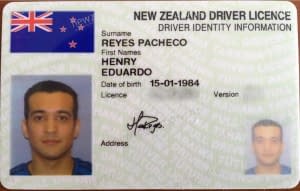
A New Zealand Fake Driver’s Licence
Premium New Zealand Fake Driver’s Licence
New Zealand Fake Driver Licence:
New Zealand Fake driver licence : NZTA, Waka Kotahi, NZ fake learner licence, NZ fake restricted licence, NZ Fake full licence, NZ Fake driver licence classes, NZ demerit points, NZ licence fees, convert overseas driver licence to NZ
Understanding Your New Zealand Driver Licence
A New Zealand driver licence comes from the NZ Transport Agency Waka Kotahi, and it’s a document you build in stages rather than receive in one go. The country runs one of the more carefully graduated licensing systems around: learner, restricted, then full, with separate minimum holding periods and different rules at each step.
Two facts shape everything else. First, New Zealand is in the middle of a significant reform. The Government has announced changes to the car graduated driver licensing system taking effect 25 January 2027, and the NZTA is explicit that until then you follow the current process. Anyone researching now is working in a window where the rules are about to change, which makes it worth knowing both. Second, New Zealand’s demerit point scale is large — points run into the hundreds, not double digits — and the suspension threshold sits at 100 points within two years.
This guide covers the whole licence: the classes, the three stages, fees for both the current and incoming systems, renewal, converting an overseas licence, and how demerit points work.
The Six New Zealand Licence Classes
New Zealand issues six classes of driver licence, each covering different vehicle types and weights, because the skills needed for a heavy vehicle or motorcycle differ from those for a car.
| Class | Vehicle type |
|---|---|
| 1 | Car (light vehicle) |
| 2 | Medium rigid vehicle |
| 3 | Medium combination vehicle |
| 4 | Heavy rigid vehicle |
| 5 | Heavy combination vehicle |
| 6 | Motorcycle |
Your licence number carries a marker showing your stage for each class. An L means learner — so 1L is a car learner licence. An R means restricted — 1R is a car restricted licence. No letter means you hold a full licence for that class.
What a Class 1 licence lets you drive is broader than most people assume:
- Class 1 learner or restricted: a vehicle with a gross laden weight or gross combined weight of 4500 kg or less, including tractors and combination vehicles but not motorcycles; a moped or all-terrain vehicle; a motorhome or tradesperson’s vehicle with a GLW of 6000 kg or less but an on-road weight of 4500 kg or less
- Class 1 restricted, in addition: an agricultural tractor with a GLW of 18,000 kg or less driven at 40 km/h or less, and an agricultural tractor towing an agricultural trailer with a GCW of 25,000 kg or less at the same speed
- Class 1 full: any vehicle with a GLW or GCW of 6000 kg or less, including tractors and combination vehicles but not motorcycles; a moped or ATV; a motorhome or tradesperson’s vehicle with a GLW of 6000 kg or less; and a zero-emission vehicle with a GLW between 6001 kg and 7500 kg
That last item is a recent and practical addition. A full Class 1 licence now covers certain heavier zero-emission vehicles that would otherwise need a higher class.
New Zealand fake driver licence
Secondary
New Zealand fake driver’s licence
NZ fake driver licence
NZ fake driver’s licence
fake New Zealand driver licence
fake NZ driver’s licence
New Zealand counterfeit driver licence
NZ counterfeit driver licence
New Zealand fraudulent driver licence
fake ID New Zealand
NZ fake ID
counterfeit New Zealand Fake ID
New Zealand Fake driver licence
NZ Fake driver licence
New Zealand fake ID
NZ driver licence verification
New Zealand counterfeit identification
New Zealand fake identification document
NZ fake licence detection
New Zealand driver licence fraud prevention
New Zealand identity fraud
Long-Tail Keywords
Is a New Zealand fake driver licence illegal?
What happens if you use a fake ID in New Zealand?
What are the risks of having a fake New Zealand driver licence?
How to identify a fake New Zealand driver licence
How are New Zealand driver licences verified?
How does New Zealand fake ID detection work?
What happens if you are caught with a fake driver licence in New Zealand?
What to do if your New Zealand driver licence is lost or stolen
How to get a legitimate New Zealand driver licence
New Zealand counterfeit ID laws
Legal alternatives to a fake New Zealand ID
How businesses detect fake New Zealand IDs
New Zealand driver licence identity verification
New Zealand driver licence fraud prevention
What is the difference between a fake ID and a novelty ID in New Zealand?
New Zealand Fake Driver Licence: Laws, Risks, Detection & Legal Alternatives
Description
Learn about New Zealand fake driver licences and legitimate alternatives for obtaining or replacing a New Zealand driver licence.
H1
New Zealand Fake Driver Licence: Laws, Risks, Detection and Legal Alternatives
Recommended H2 Structure
H2: What Is a New Zealand Driver Licence?
Explain the purpose of a New Zealand driver licence and its role as an official form of identification.
H2: What Is a New Zealand Fake Driver Licence?
Define counterfeit, altered and fraudulently obtained licences without providing instructions for creating or acquiring them.
H2: Why Do People Search for Fake New Zealand Driver Licences?
Discuss common reasons people look for counterfeit identification and the risks associated with doing so.
H2: Are Fake Driver Licences in New Zealand?
Explain the legal issues surrounding possession, presentation, alteration and fraudulent use of identification.
H2: Using a Fake New Zealand Driver Licence
Cover potential legal, financial, identity-theft, employment and other consequences.
H2: How Fake New Zealand Driver Licences Can Be Detected
Discuss legitimate verification and fraud-prevention practices used by organisations and businesses.
H2: Online Fake ID in New Zealand
Explain how counterfeit-ID websites and social-media sellers can be used to scam customers or collect personal information.
H2: Fake Driver Licence vs Novelty Licence
Clarify the difference between a novelty item and a document intended to impersonate official New Zealand identification.
H2: What to Do If Your New Zealand Driver Licence Is Lost or Stolen
Explain legitimate replacement options and why obtaining a counterfeit document is not a safe substitute.
H2: How to Get a Legitimate New Zealand Driver Licence
Cover the lawful process for obtaining, renewing or replacing a New Zealand driver licence.
H2: How Businesses Can Detect Suspicious New Zealand Identification
Focus on responsible identity-verification and fraud-prevention practices without explaining how to bypass them.
H2: Frequently Asked Questions About New Zealand Fake Driver Licences
FAQ
Is it illegal to have a fake driver licence in New Zealand?
What happens if you are caught with a fake ID in New Zealand?
Can a fake New Zealand driver licence be detected?
How do businesses verify New Zealand driver licences?
What are the penalties for using fraudulent identification?
What should I do if my New Zealand driver licence is lost?
Can I legally use a novelty New Zealand licence?
How can I obtain a legitimate New Zealand driver licence?
How can I report suspected identity or licence fraud in New Zealand?
What is the difference between a fake ID and a novelty ID?
Suggested Entity / Authority References
New Zealand Transport Agency (NZTA)
New Zealand Government
New Zealand driver licensing
New Zealand identity verification
New Zealand identity-fraud prevention
Internal Linking Opportunities
Fake ID Laws in New Zealand
New Zealand Fake Identity
How to Detect Counterfeit Identification
New Zealand Driver Licence Verification
What to Do After Losing Your Driver Licence
Australia Fake Driver Licence
New South Wales Fake Driver Licence
Victoria Fake Driver Licence
Queensland Fake Driver Licence
The Three Stages of the Car Licensing System
To become a fully licensed Class 1 driver, you pass through three stages, each a prerequisite for the next. You must also pass two practical driving tests along the way: the restricted licence practical test and the full licence practical test.
Stage 1 — Learner licence. You pass a theory test on the road rules before you can start. You can apply when you turn 16.
Stage 2 — Restricted licence. The intermediate stage, with conditions on when you may drive and who may accompany you.
Stage 3 — Full licence. The final stage, requiring a minimum period on your restricted licence before you can sit the test.
The 2027 changes will reset some of these requirements, and the full Class 1 practical test disappears for most applicants from 25 January 2027 — but not for overseas conversions, which keep it.
Identification Requirements at Every Stage
When you apply for each stage of your licence, you must show acceptable evidence of your identity. You can present:
- Your current New Zealand passport, or
- Your New Zealand driver licence, current or expired up to 2 years, or
- Two forms of identification — one primary document and one supporting document
Primary documents include a New Zealand Fake passport, an overseas passport, a New Zealand emergency travel document, a New Zealand refugee travel document, and a New Zealand certificate of identity issued under the Passports Act 1992.
All documents must be originals — not photocopies or scans. That’s a firm rule, and a scanned passport on your phone won’t be accepted.
What a New Zealand Fake Driving Licence Costs
Car (Class 1) fees, with the incoming changes noted:
| Stage | Application fee | Test fee for each test from the 3rd attempt |
|---|---|---|
| Learner | $96.10 (includes 2 tests) | $54.60 |
| Restricted | $167.50 until 24 January 2027; $160.50 from 25 January 2027 (includes 2 tests) | $102.80 |
| Full | $98.90 until 24 January 2027; $25.90 from 25 January 2027 | $71.90 until 24 January 2027 |
The application fee includes your first two attempts at the relevant test. If you need three or more tests, you pay a test fee for each additional attempt — which is why the per-test figures matter most to anyone who might need a retake.
The Full licence line contains the reform’s headline change: from 25 January 2027 there is no practical test for a full car (Class 1) licence, except for overseas licence conversions. The fee drops from $98.90 to $25.90 precisely because the test is removed from the process. If you’re weighing whether to book a full licence test now or wait, that’s the choice in front of you, and the date to watch is 25 January 2027.
Renewing Your New Zealand Licence
Renewal is done at a driver licensing agent — in practice, an AA Driver Licensing outlet or similar — and the process is straightforward:
- Fill out an application form
- Show proof of your identity
- Prove your eyesight meets the required standard
- Provide a medical certificate, if required
- Let the agent take your photo and signature
- Pay the renewal application fee
You’ll receive a temporary licence valid for 21 days, which you must carry whenever you’re driving until your new licence arrives in the mail within 2 to 3 weeks.
Most licences are issued for 10 years and cost $32.40. Beyond that, the fee structure is designed around age, because anyone aged 64½ or over receives a licence expiring on their 75th birthday rather than running a full decade. A shorter term means a lower fee:
| Age | Renewal fee |
|---|---|
| 64 or 65 | $32.40 |
| 66 or 67 | $22.60 |
| 68 or 69 | $19.00 |
| 70 or 71 | $14.80 |
| 72 or 73 | $10.80 |
| 74 | $9.00 |
Drivers 75 and over pay a single fee of $21.50. That covers whatever the renewal involves, whether or not you need to sit an on-road safety test — there’s no separate test fee, and changing, rebooking, or cancelling your on-road safety test is free.
It’s worth noting how much cheaper renewal is than the initial licensing path. Once you hold a full licence, staying licensed costs a fraction of what getting there did.
Converting an Overseas Driver Licence
New Zealand takes a two-tier approach to overseas licences, and which tier you’re in determines how much testing you face.
What counts as valid. Your overseas licence must not be suspended, disqualified, or revoked in the country of issue, and must be either current or expired within the last 12 months. You must present the physical overseas licence — you cannot convert using only New Zealand Fake Drivers License for International Driving Permit.
Where to apply. You must apply at a specialist overseas conversion site, not a general licensing agent.
The exempt country list. Some countries have licensing systems similar enough to New Zealand’s that their licence holders skip theory testing entirely. The exempt countries are:
Australia, Austria, Belgium, Canada, Croatia, Denmark, Finland, France, Germany, Greece, Hong Kong*, Ireland, Italy, Japan, Luxembourg, the Netherlands, Norway, Portugal, South Africa, South Korea, Spain, Sweden, Switzerland, the United Kingdom**, and the United States of America.
*Hong Kong is recognised as a Special Administrative Region of the People’s Republic of China. **The United Kingdom includes England, Northern Ireland, Scotland, Wales, Guernsey, Ascension Islands, Isle of Man, Jersey, and the Falkland Islands.
If your licence isn’t from one of those countries, it’s from a non-exempt country.
Exempt country, car licence:
- Overseas conversion application fee: $52.10
- If you’ve held your overseas licence for less than 2 years, you also pay a test fee of $59.90
Non-exempt country, car licence:
- Application fee: $52.10
- Theory test fee: $45.70
- Full practical test fee: $59.90
- Total if you pass first time: $157.70
Two variations are worth knowing. If you’re converting to a New Zealand restricted licence, you pay the restricted practical test fee of $86.60 instead. If you’re converting to a learner licence, you don’t pay the practical test fee at all. And if you need to change, cancel, or rebook a test, a fee may apply — so book carefully.
Documents for a non-exempt conversion, in addition to the application, identity evidence, eyesight proof, and any medical certificate:
- Your overseas driver licence, with a translation if it isn’t in English
- Evidence of validity if your licence is from Afghanistan, India, Pakistan, or Tonga
- Pass the theory test and practical driving test
- Provide high-quality, colour photocopies of all original documents you’ve provided, including translations
The date-of-issue problem catches people out. If your licence doesn’t show when it was issued, you may need a document from your licensing authority confirming how long you’ve held it, since the two-year threshold decides whether a practical test applies. You can choose to sit the practical test instead if you’d rather not chase the paperwork.
One reassurance amid the reform: the 2027 changes to the graduated licensing system do not change how overseas conversions work. You still follow the current conversion process, and the full practical test still applies for non-exempt conversions.
Heavy vehicle conversions (classes 2 to 5) follow the same exempt/non-exempt split, with an application fee based on the New Zealand class or stage you’re converting to. For non-exempt countries, the application fee includes both the theory and practical tests, and changing, rebooking, or cancelling a test is free — though it’s worth doing as far in advance as possible so someone else can take the slot.
Heavy vehicle licence holders should note that classes 3, 4, and 5 build on each other: Class 3 covers combination vehicles between 12,001 kg and 25,000 kg GCW plus everything in classes 1 and 2, while Class 4 covers rigid vehicles over 18,000 kg GLW plus classes 1 and 2 but not class 3.
Demerit Points in New Zealand
New Zealand’s demerit system operates on a much larger scale than the point systems in most countries, which can make individual offences look alarming until you know the threshold.
Reaching 100 or more demerit points within 2 years means your licence may be suspended for 3 months.
When points are applied:
- Speeding, except when recorded by a speed camera
- Committing certain traffic offences
- Breaking your licence conditions — for example, a learner driver not accompanied by a supervisor, or a restricted driver carrying passengers when not permitted
- Committing certain alcohol-related offences
How the suspension works is worth understanding in detail, because it differs from a simple disqualification. You’re suspended as soon as the demerit suspension notice is served on you, whether by the NZTA, the police, or an authorised NZTA agent. Any demerit points on your licence when you’re suspended are cancelled and no longer count toward your total.
And at the end of a demerit suspension, you won’t have a licence — you won’t be able to drive until you’ve gone through the process of getting it back. The suspension doesn’t simply expire back into a valid licence.
Demerit points for speed offences. Note the significant exclusion: these values apply to speeding detected by an officer, not by camera.
| Offence | Points |
|---|---|
| Driving up to 10 km/h over the limit | 10 |
| Driving 11 to 20 km/h over | 20 |
| Driving 21 to 30 km/h over | 35 |
| Driving 31 to 35 km/h over | 40 |
| Driving more than 35 km/h over | 50 |
| Using equipment that interferes with speed-measuring devices | 25 |
| Having equipment designed to interfere with speed-measuring devices | 25 |
| Driving too fast to stop safely | 20 |
| Driving too fast to stop safely on roads without lane markings | 20 |
Mobile phone offences carry 20 points for using a phone while driving a vehicle.
The camera exclusion is a real feature of the system, not an oversight. Offences detected by approved camera equipment — including point-to-point, or average-speed, cameras — are excluded from the demerit system by the Land Transport Act 1998. So a camera-issued speed ticket brings a fine but no demerit points, while the same speed caught by an officer’s radar brings both.
Checking your total is easy and free. With a verified RealMe identity you can view your total active demerit points online or in the NZTA app. You can also order a Demerit points and suspension history report, which shows all your demerit points and demerit suspensions from the last 7 years — there’s no fee, and it’s emailed straight away.
Licence conditions deserve a mention here too, because breaking them feeds the demerit system. If your licence is issued with conditions, you must follow them when driving — common examples include always wearing correcting lenses, only driving automatic vehicles, or only driving specially adapted vehicles. A condition can apply to all or some of the classes and endorsements you hold, and failing to comply can bring a ticket, demerit points, and a fine. Note that learner and restricted licence conditions aren’t printed on the licence itself, so it’s worth knowing what applies to you independently of what’s on the card.
Getting a Full Licence: Current and Incoming Requirements
The minimum period you must hold your restricted licence is where the reform bites hardest, so here’s both versions.
Until 24 January 2027:
Drivers under 25
- With an advanced driving course: hold your restricted licence at least 12 months, and be at least 17½
- Without one: hold it at least 18 months, and be at least 18
Drivers 25 and over
- With an advanced driving course: hold your restricted licence at least 3 months
- Without one: hold it at least 6 months
From 25 January 2027:
Drivers under 25
- Hold your restricted licence at least 12 months, and be at least 17½
Drivers 25 and over
- Hold your restricted licence at least 6 months
The direction of travel is clear: the advanced driving course shortcut largely disappears, the under-25 requirement standardises at 12 months with a lower minimum age of 17½, and the over-25 no-course period stays at 6 months.
One more change worth flagging: if you get demerits on your restricted licence since 7 May 2026, 6 months could be added to your restricted period each time. Demerit trouble during the restricted stage now costs you time, not just money.
Practical Tips for New Zealand Drivers
- Diary 25 January 2027. The car licensing system changes, and the full Class 1 practical test disappears for most applicants.
- Know your exempt or non-exempt status before you move. It decides whether you sit one test or two.
- Bring original identity documents. Photocopies and scans aren’t accepted.
- Watch the two-year licence-holding threshold. It’s what determines whether a practical test applies to your conversion.
- Gear up for three attempts. The application fee includes two tests; from the third you pay per attempt.
- Mind the camera distinction. Camera-detected speeding brings a fine but no demerit points.
- Keep your restricted period clean. Demerits since 7 May 2026 can add six months each time.
- Check your demerits for free. The online view and the 7-year history report both cost nothing.
- Remember that renewal is cheap. $32.40 for ten years, and progressively less as you approach 75.
Frequently Asked Questions
How much does a New Zealand driver licence cost? A learner licence application is $96.10, a restricted licence is $167.50 (dropping to $160.50 from 25 January 2027), and a full licence is $98.90 today, falling to $25.90 once the practical test is removed in 2027. Renewal is $32.40 for a ten-year licence.
How many demerit points suspend a NZ licence? 100 or more within two years brings a three-month suspension. Your points are cancelled at suspension, and at the end you have no licence until you get it back.
Does speed camera speeding carry demerit points in New Zealand? No. Offences detected by approved camera equipment are excluded from the demerit system. Speeding caught by an officer does carry points, from 10 up to 50 depending on how far over you were.
Which countries are exempt for converting to a NZ licence? Australia, Austria, Belgium, Canada, Croatia, Denmark, Finland, France, Germany, Greece, Hong Kong, Ireland, Italy, Japan, Luxembourg, the Netherlands, Norway, Portugal, South Africa, South Korea, Spain, Sweden, Switzerland, the United Kingdom, and the United States.
How long must I hold my restricted licence? Under 25: 12 months with an advanced driving course or 18 without, until 24 January 2027; 12 months regardless from 25 January 2027. Over 25: 3 months with a course or 6 without today; 6 months from 2027.
What licence classes are there in New Zealand? Six — Class 1 car, Class 2 medium rigid, Class 3 medium combination, Class 4 heavy rigid, Class 5 heavy combination, and Class 6 motorcycle. Learner and restricted stages are marked with L and R after the class number.
Can I convert my licence with an International Driving Permit? No. You must present your physical overseas driver licence. It can’t be suspended, disqualified, or revoked in the country of issue, and must be current or expired within the last 12 months.
How do I check my demerit points? With a verified RealMe identity you can view your active points online or in the NZTA app, or order a free demerit points and suspension history report covering the last seven years.